


Not another boring consulting website.
I help founders and commercial leaders turn complex technology into a business that works—from finding what is blocking growth to building the commercial system and working alongside the team.
Your problem is the point.
A market that isn’t opening. Sales that depend too much on the founders. A commercial team working hard without enough progress. That is where I start.
Bring me the messy version.
Find what is actually blocking progress.
A new CRM does not fix unclear ownership. AI does not turn a bad process into a good one. It may just make the bad process faster.
I look across Sales, Product, positioning, and execution to find the constraint—and work with your team to address it.
What is actually stopping the business from moving?
How I help
Depending on the problem, the work might take the following forms.

Build the commercial system
Too much depends on founders, individual sellers, or tribal knowledge.
I connect ownership, customer information, forecasting, and ways of working so the business depends less on individual heroes.
For example: A working forecasting process, clear commercial responsibilities, or a shared way to track and resolve issues.

Fix what is blocking growth
The team is working hard, but progress is falling short.
I trace the constraint across teams, test what needs to change, and help put it into practice.
For example: A simplified workflow, a resolved handoff between teams, or a focused test of what is holding progress back.

Enter a new market
A new geography, segment, or channel brings more questions than answers.
I test customer, partner, and positioning assumptions through conversations and practical experiments, then build an approach the team can repeat.
For example: Customer and partner conversations turned into a tested market approach and clear next decisions.

Add senior commercial capacity
You need senior commercial ownership and someone who will work in the details.
I take responsibility for priorities and opportunities while building the structure and capability the team needs to take more of it forward.
For example: Commercial priorities with an accountable owner, active opportunities moved forward, and a team equipped to take more responsibility.

Commercial impact
BKPK
From selling the product to building the commercial organization.
I started in business development and sales, then took on CRO responsibility—building the commercial organization while continuing to work directly with customers and partners.


Augury
Make the commercial system easier to operate as the business scales.
I simplified an overloaded commercial and enablement environment, removed duplication, and clarified how contributors worked together. People knew what they owned, and recurring sources of friction were addressed.
Within about six months, I reduced QBR-reported enablement issues from 73 to 5 priorities. Only 3 new enablement items surfaced after two subsequent quarterly business reviews (QBRs).

NAGRA
Connect commercial operations across the Americas.
I brought processes, data, and responsibilities together into a coherent way of working across the region. Information and work moved more smoothly between contributors, responsibilities were clear, and sellers had a system that better supported their work.
Start small. Build what lasts.
Most engagements begin with one to three conversations. I ask questions that help us examine the situation, challenge assumptions, and understand what needs attention.
The first useful outcome is clarity: what you want to achieve, what appears to be getting in the way, and what we still need to understand. Where helpful, I capture that in a short summary.
From there, we agree whether further investigation or a focused piece of work makes sense. I start with what already works—the people, knowledge, and capabilities you have—and add only what is necessary.
Your involvement: I need your perspective, relevant examples, and access to the people closest to the problem. We agree any further involvement around the work.
01 · Conversation
One to three discussions to examine the situation and establish a shared understanding.
02 · Diagnostic, when useful
Identify the constraint and agree what deserves attention.
03 · Focused work
Build, test, or fix something specific with your team.
04 · Continue where justified
Expand into a larger initiative when the work calls for it.
Sometimes that becomes fractional or interim leadership. The work expands because there is a reason to expand.
The goal is to leave your organization better equipped to work without me.
That is what I mean by Sustainably Enabled.
Who I work with
A good fit
I work with founders and commercial leaders in technology startups and established businesses.
You have a technically meaningful product and commercialization is harder than expected.
Growth depends too much on founders or individual heroes.
You are entering a new market or growth phase.
You need senior judgment and hands-on work—and are willing to change course when the evidence calls for it.
When I’m less useful
You need execution capacity within a fixed brief, with no scope to examine or change the approach.
You want a predetermined playbook or a strategy deck, with no commitment to putting change into practice.
The product cannot be delivered, but Sales is expected to compensate.
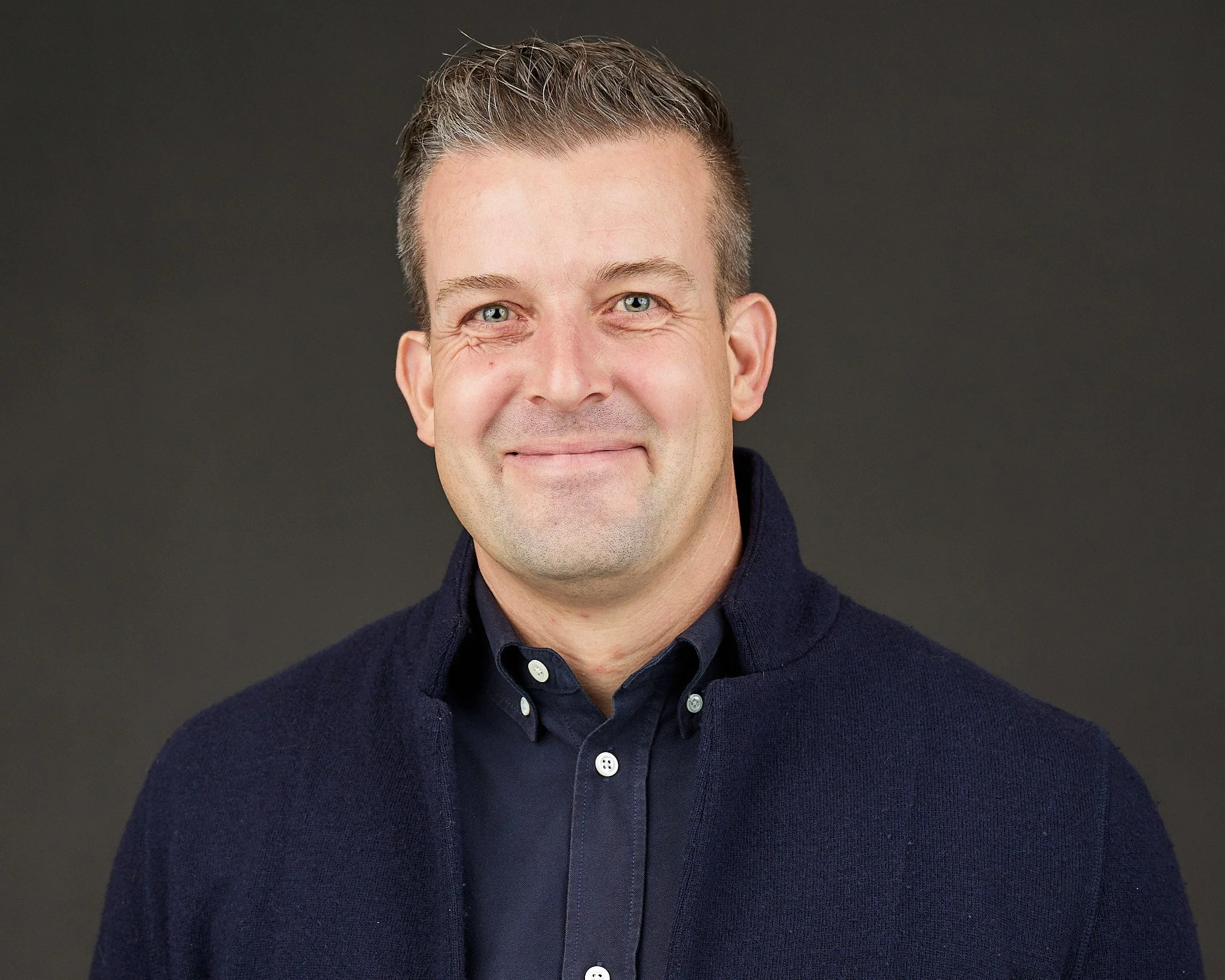
Sascha Dainat
I work across the gaps between technology, customers, and commercial execution.
I started in engineering and built my career on the commercial side of complex technology.
I have worked across solution architecture, product, enterprise sales, market development, revenue operations, enablement, partnerships, and CRO responsibility.
That breadth matters because commercial problems rarely belong to one department. I work credibly with engineers, stay close to what customers value, and connect the commercial pieces that need to work together.
I help improve the conditions for commercial success—and work alongside the team to make the changes happen.
Let’s work out what needs to move.
Got a problem that doesn’t fit neatly into a box? Those are usually the interesting ones.
Bring the problem as it is. No pitch deck required.